
 Flagship
Sodium-ion
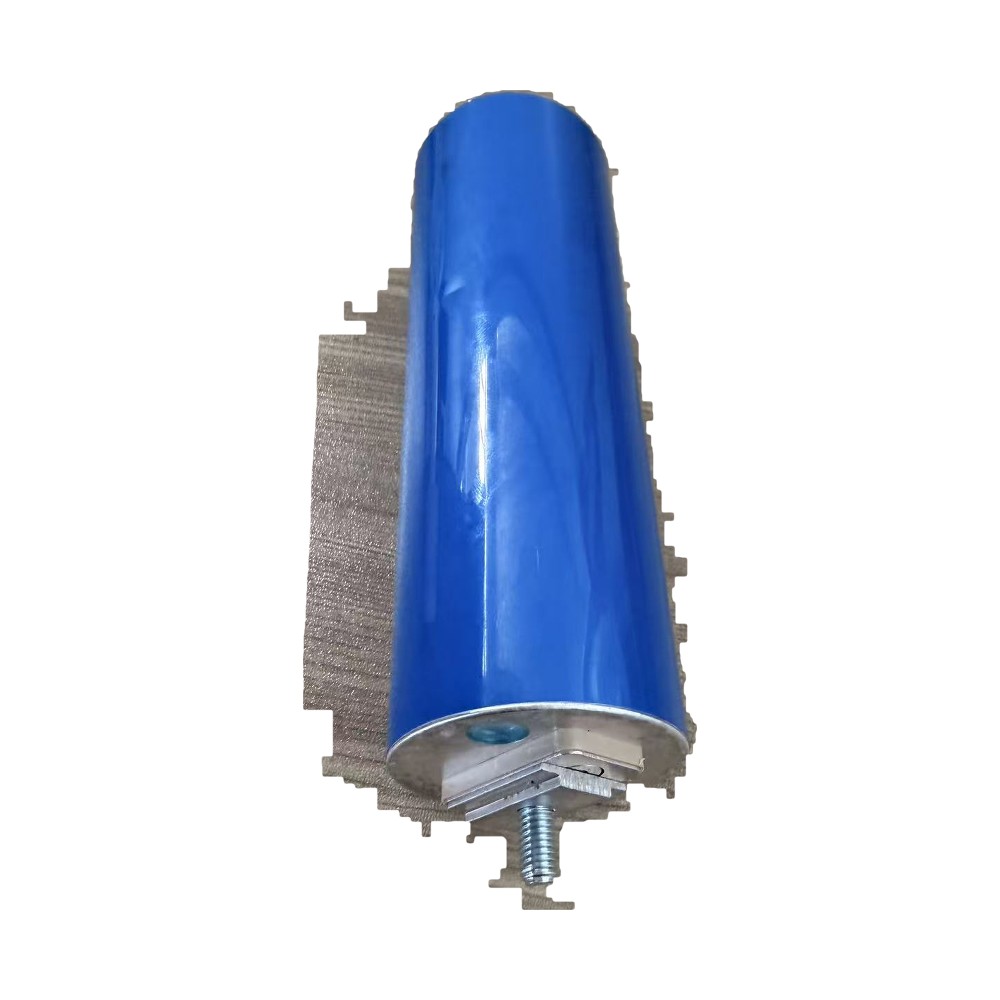
RPA 46145 Prussian-Blue Sodium-ion Cell · 3.12 V 13 Ah (Start-Stop)
50,000 start-stop cycles, 200 A continuous, -40 ~ 80 °C
≥ 50,000 start-stop cycles200 A continuous discharge10C charge capability
Compare sodium-ion cells for pack engineering, engine-starting projects and stationary storage. The catalogue includes cylindrical and prismatic formats with different chemistries and duty profiles. Select the cell that fits the electrical and mechanical design of the pack.
Discuss an OEM or distributor enquirySelect a model to review its specification and application requirements.
Flagship50,000 start-stop cycles, 200 A continuous, -40 ~ 80 °C
 New
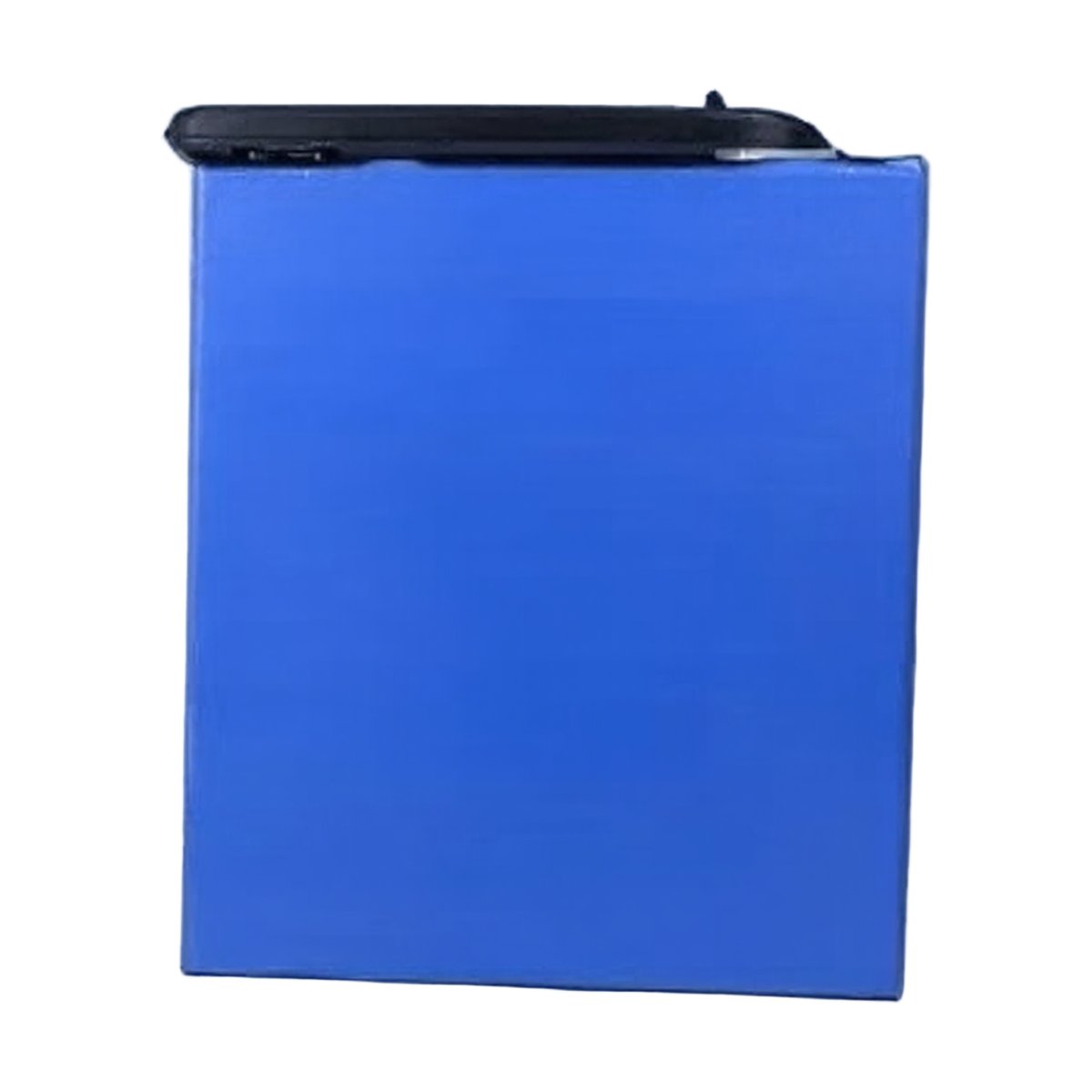
Large prismatic NFPP storage cell — flat 5C rate, -40 °C capable, 100% DOD cycling proven.
 New
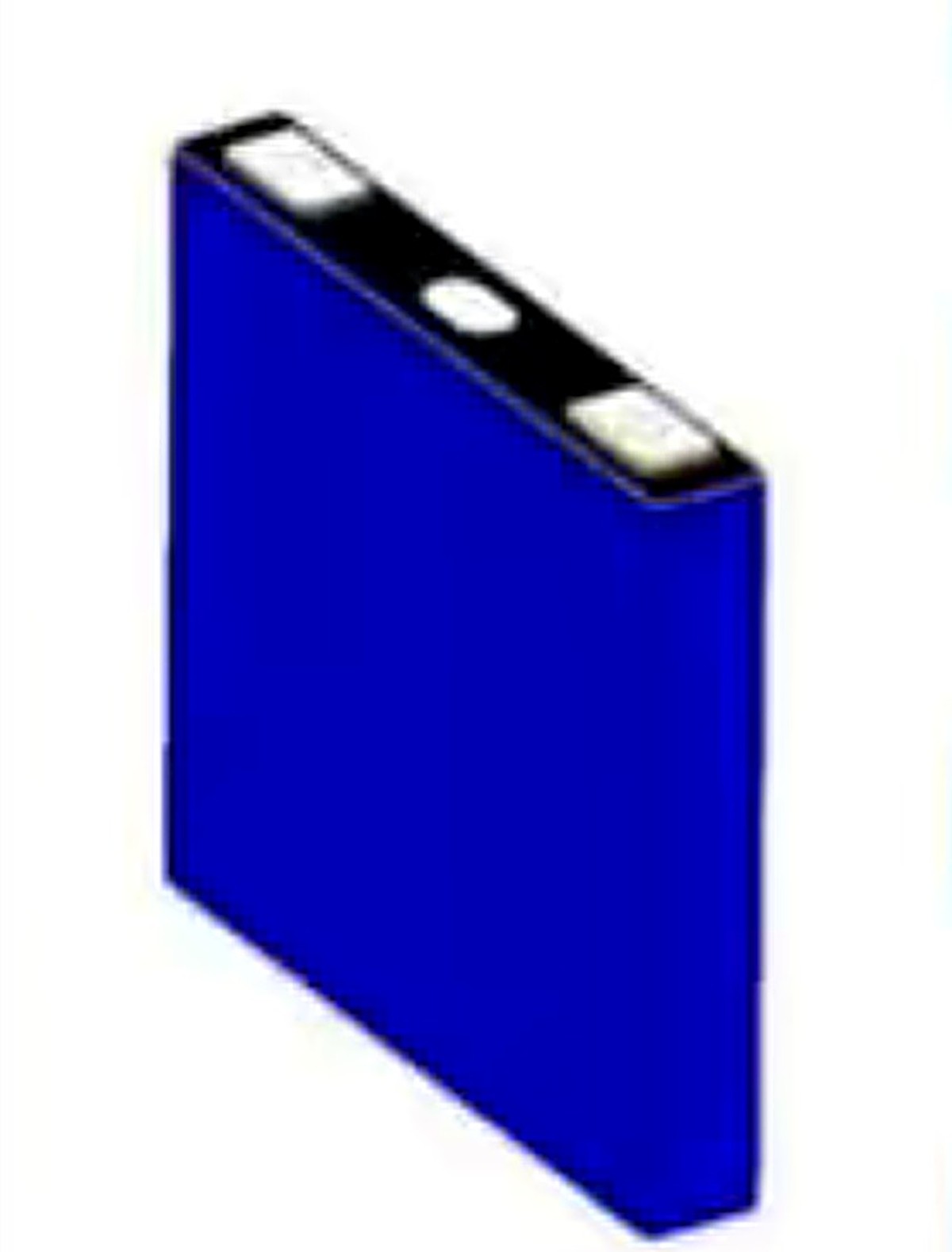
10,000-cycle sodium power cell for heavy-duty duty cycles
 New
Ultra-high-rate sodium cell — 30C discharge, -40°C capable
 Low-temp
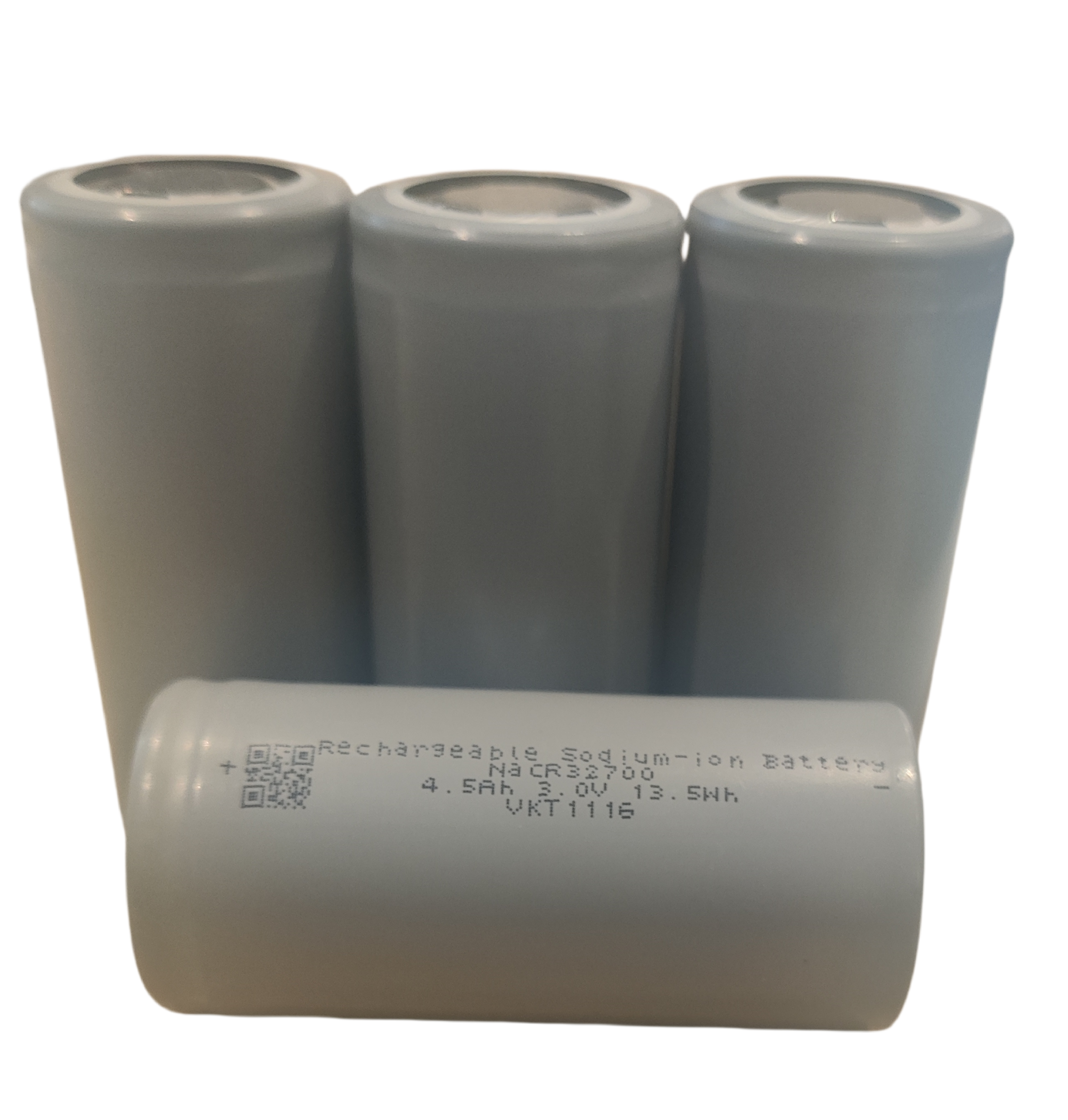
32700 cylindrical sodium-ion cell — 3.0V, 4500mAh
 New
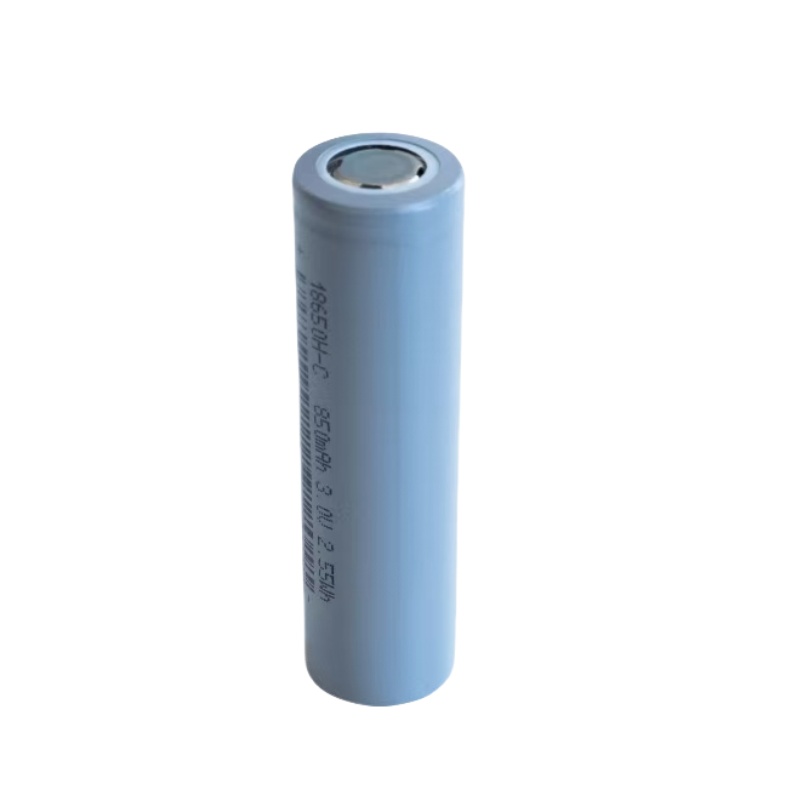
Ultra-high-power 18650 sodium cell — 40C continuous, 80C pulse
 New
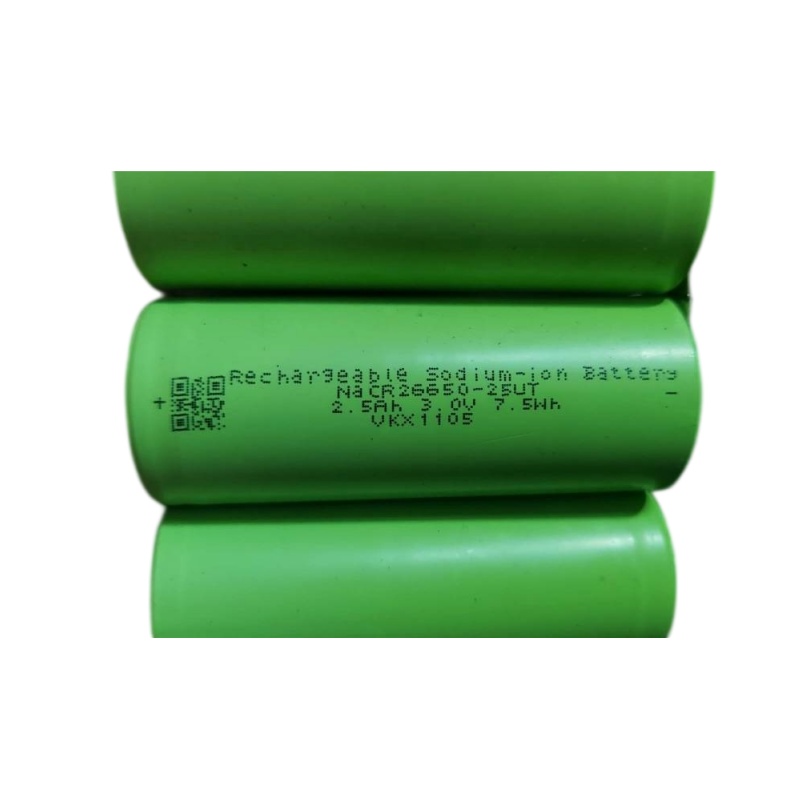
Ultra-high-rate 26650 — 20C continuous, 50C pulse, 40C pulse cycling
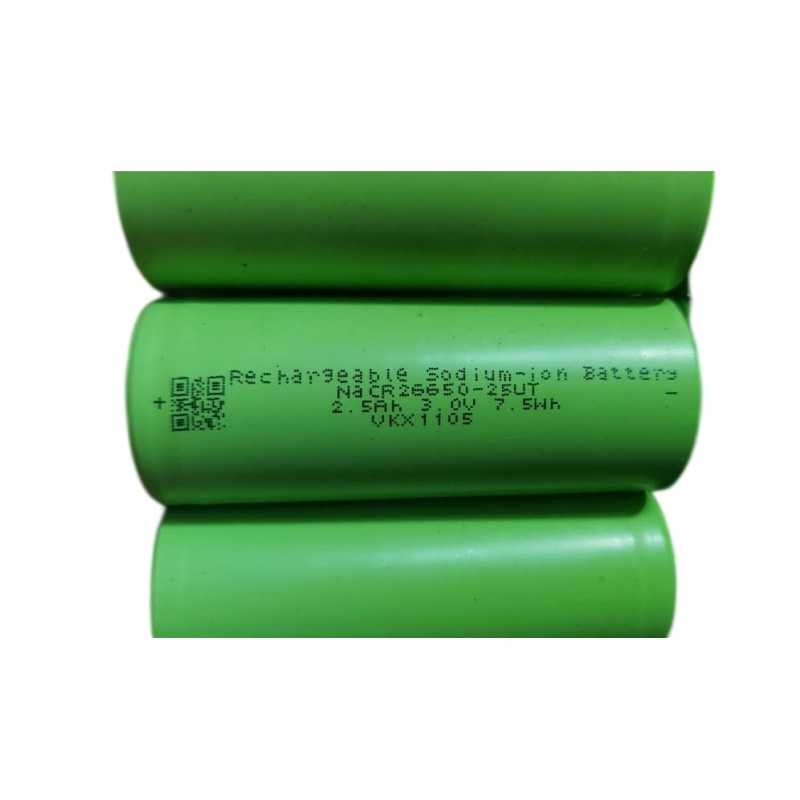 New
High-power 26650 — 60C pulse (5 s), 20C continuous, -40 °C capable
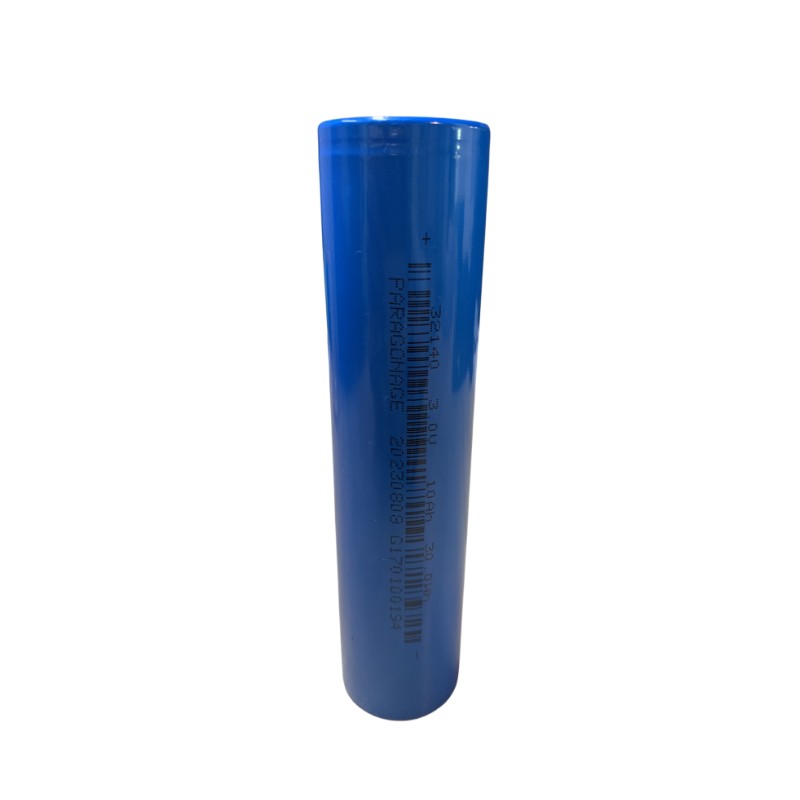 New
Energy-type NFPP 33140 — 5C discharge, 2,000-cycle life
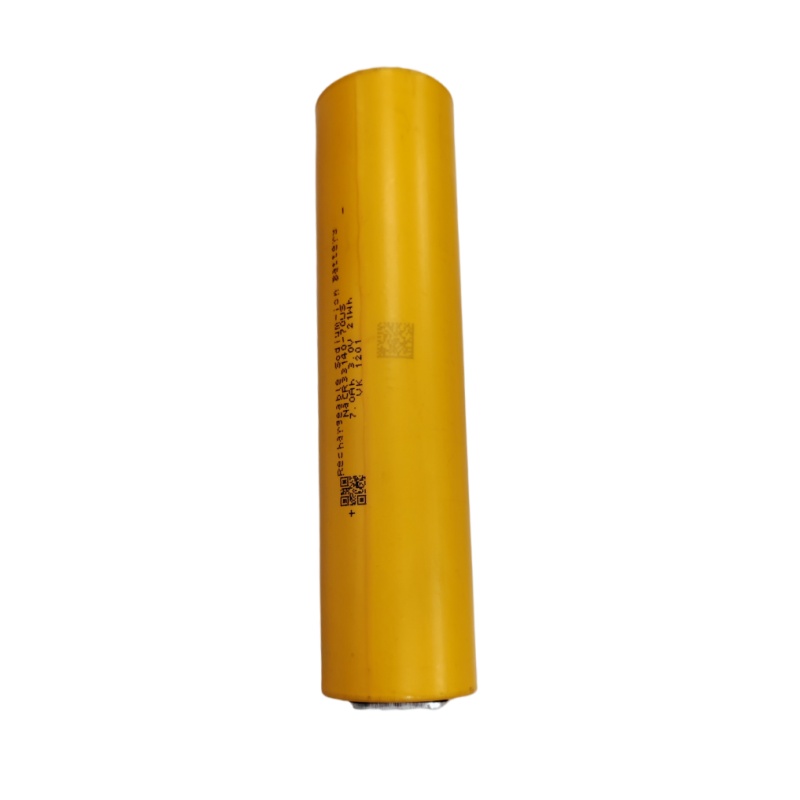 New
Balanced 33140 sodium cell for power and storage
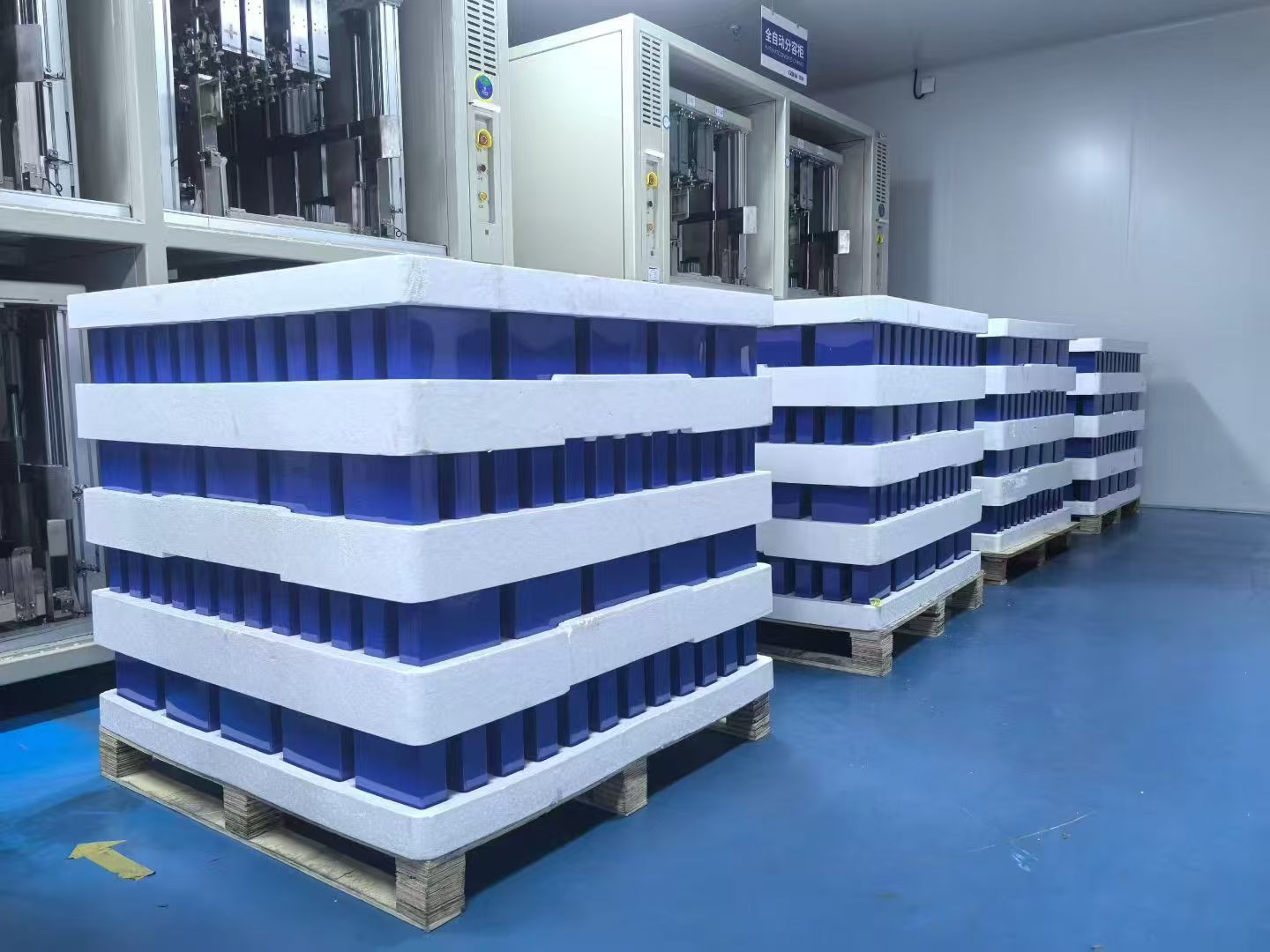 New
8,000-cycle storage-grade NFPP cell — 54 × 173 × 204 mm
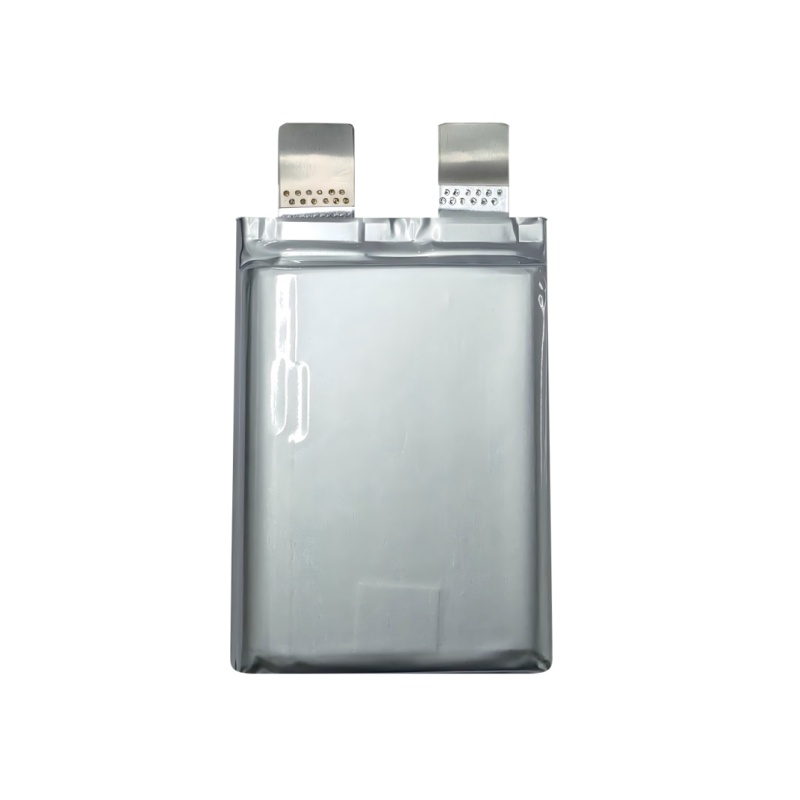 New
Compact NFPP pouch cell for portable and custom packs
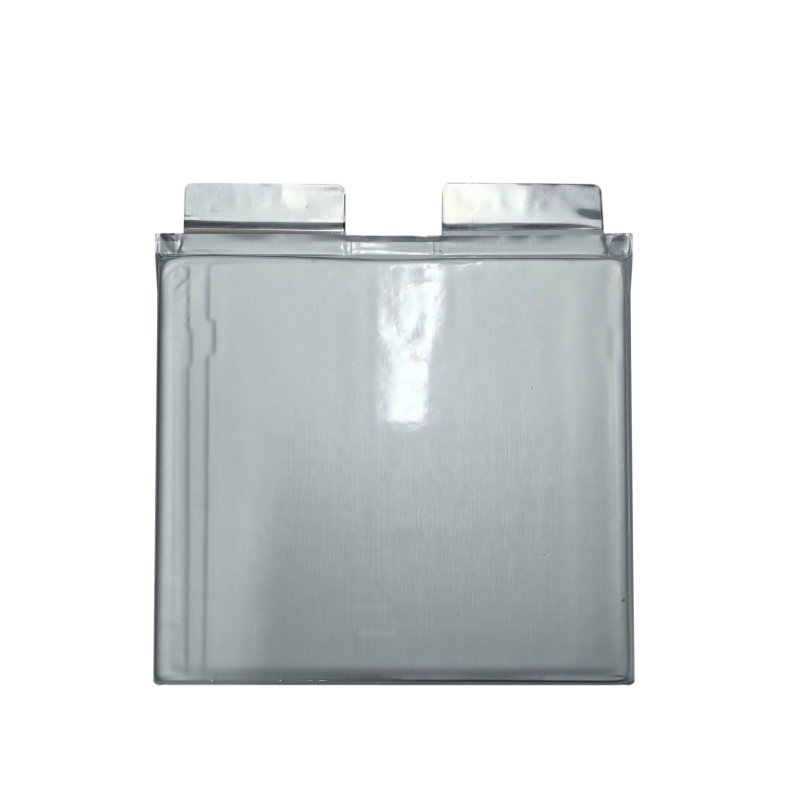 New
High-rate pouch — 5.5C charge, 3,000-cycle NFPP cell
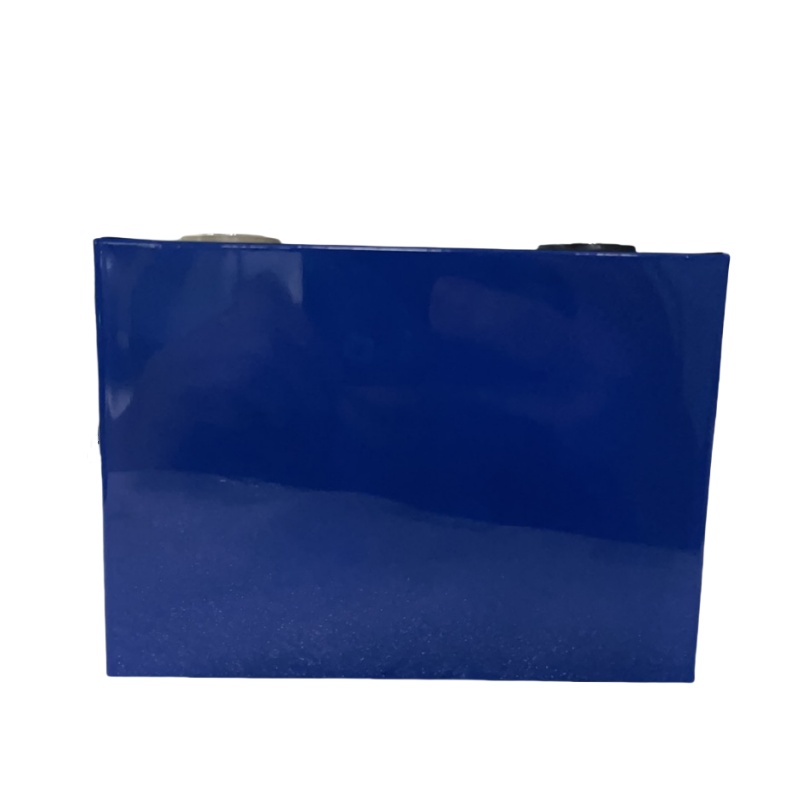 New
High-rate prismatic sodium cell for power-intensive storage
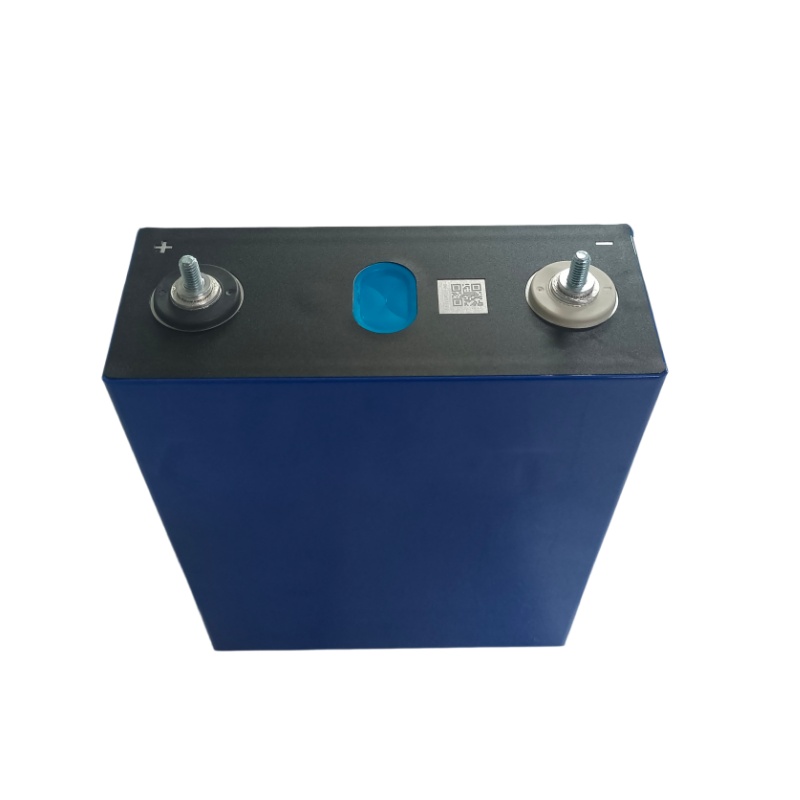 New
10,000-cycle storage cell — 450 Wh, ≤ 0.30 mΩ
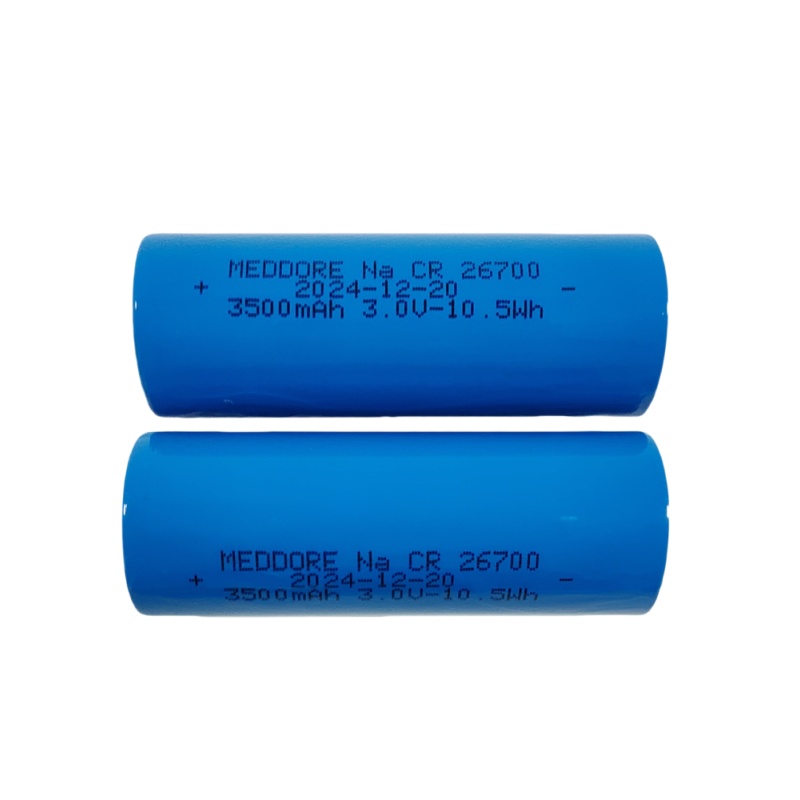
3.5 Ah 26700 — 3C continuous, -40 °C 83% measured capacity
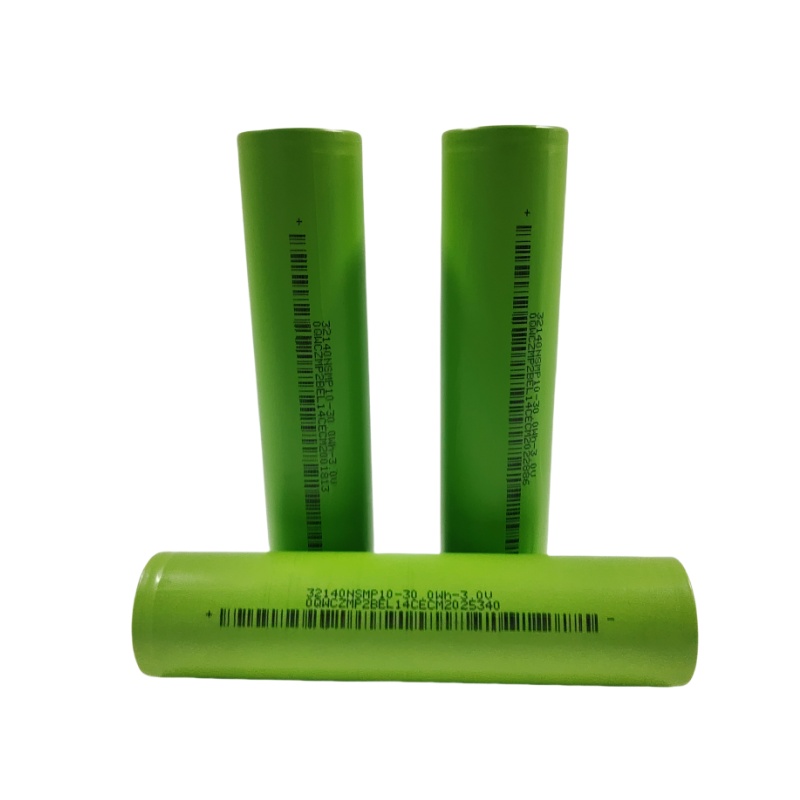
10 Ah 32140 — 3C continuous, 20C pulse, 5,000 cycles, > 110 Wh/kg
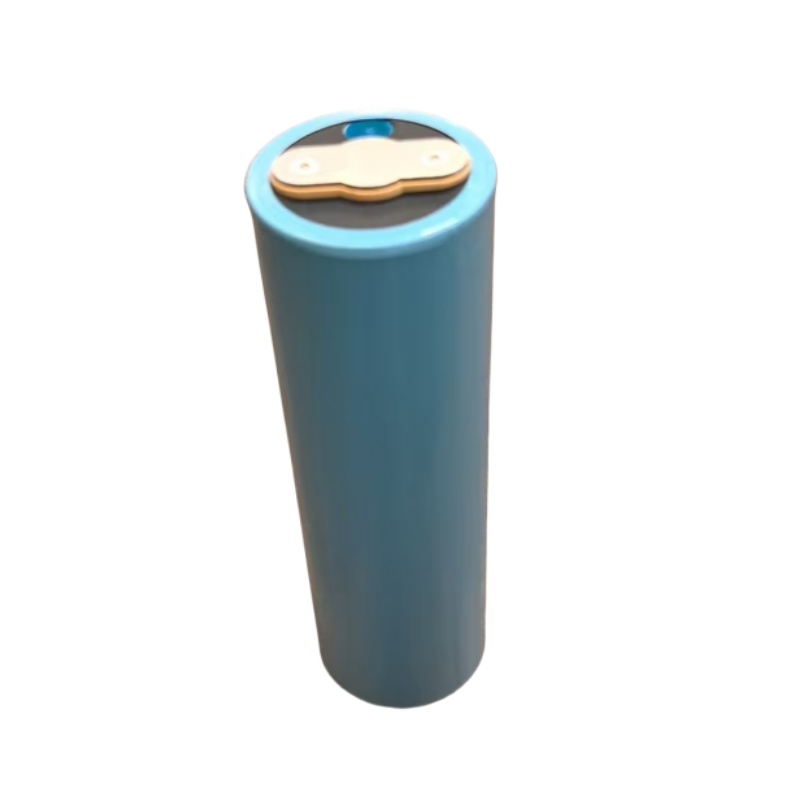
15 Ah large cylindrical — 150 A continuous, 300 A pulse, -40 °C ≥ 75%
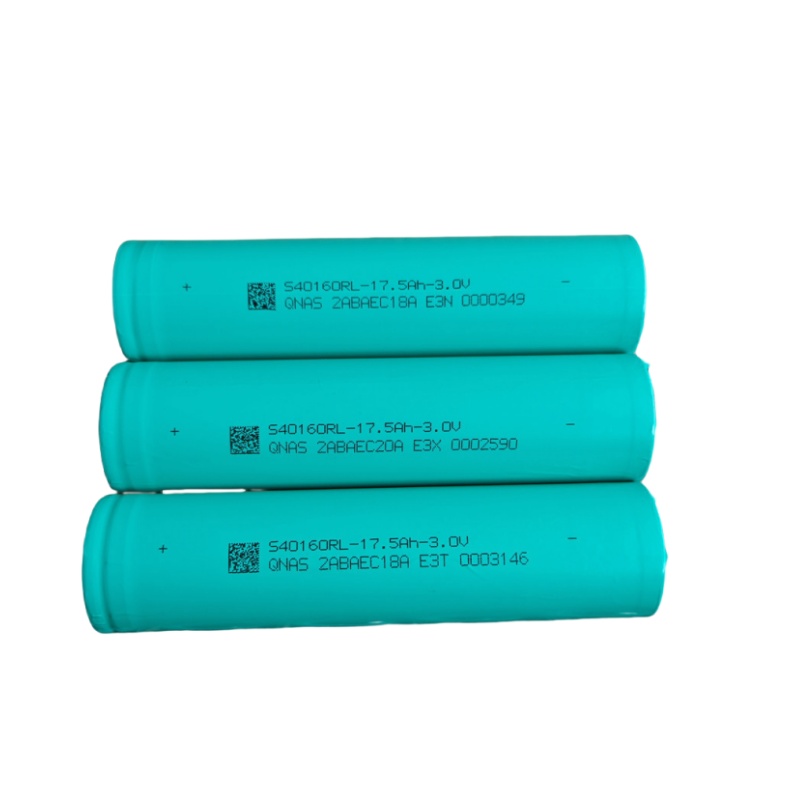
17.5 Ah cylindrical sodium cell — 121 Wh/kg, 15C pulse, -40 °C ≥ 75%
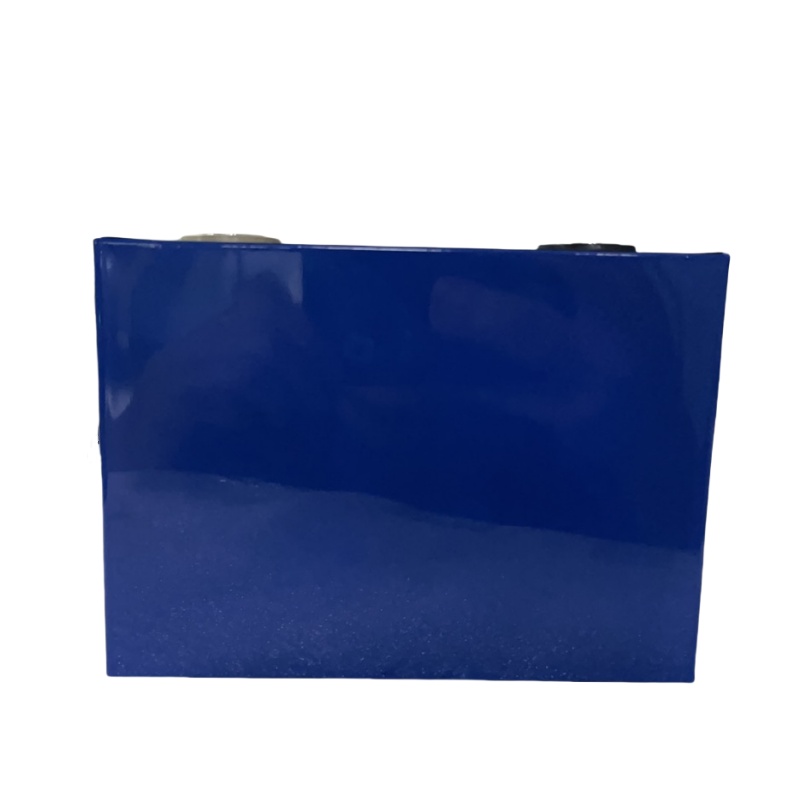
8,000-cycle storage cell — 6C discharge, -40 °C ≥ 40 Ah
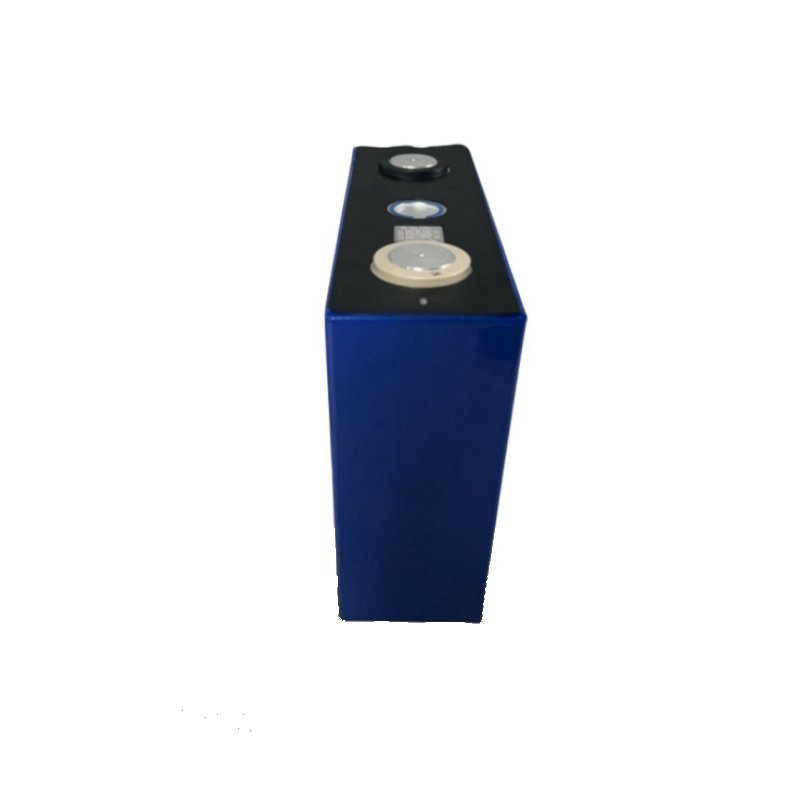
High-capacity prismatic Na-ion cell for storage systems.
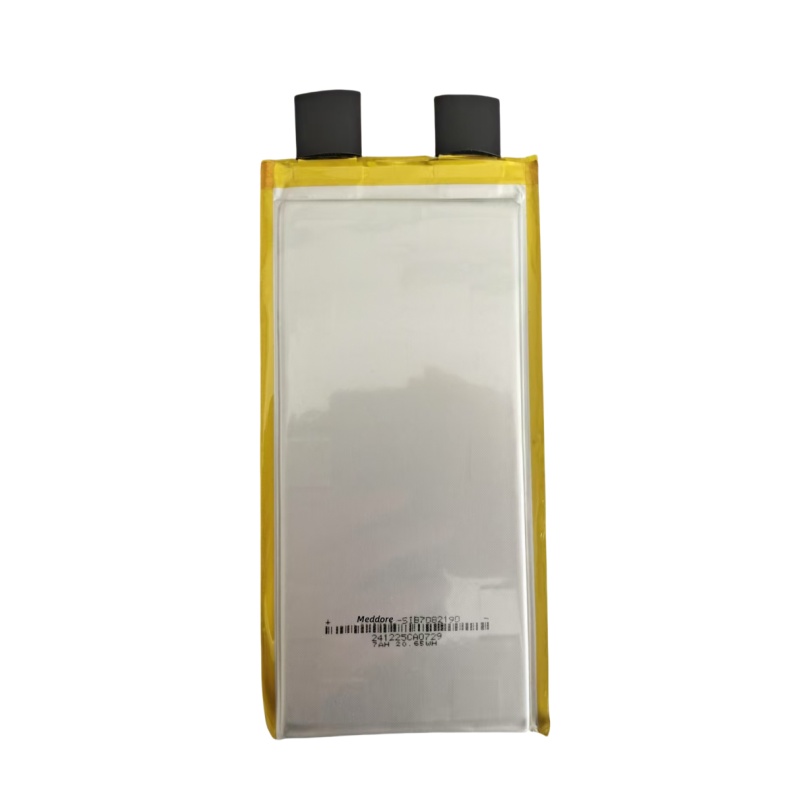
Flexible 7 Ah pouch cell — 0.5C standard, 1.5 V deep discharge
Starter packs need the required pulse output within a permitted voltage drop. Stationary storage selection places greater emphasis on energy throughput, usable voltage range and cycling conditions. A large capacity figure does not describe both applications.
Use discharge rate, cut-off voltage, temperature and reference capacity when comparing cold-weather results. Confirm charging limits separately. Chemistry-level statements should not replace a specification for the actual model being purchased.
Send the required system voltage, continuous and pulse current, energy target, installation space and duty cycle. Include the intended BMS and thermal approach if they are already selected. Ask for current dimensions, terminal drawings and the relevant test report.
No. Voltage range, chemistry, format, rate limits and terminal construction vary between models. The pack design must use the specification of the selected cell.
Only when temperature, charge and discharge rates, depth of discharge and end-of-life criteria are comparable. Retention after an observed number of cycles is not a prediction of total lifetime.
Send the application, required specifications, quantity and destination for a model-specific proposal.
Request a quote